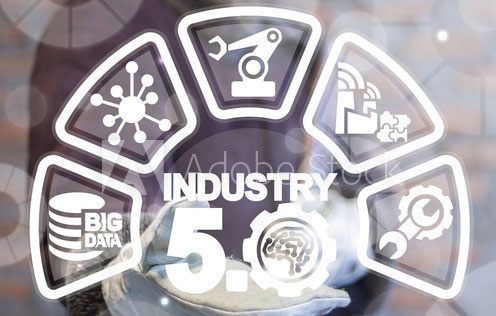
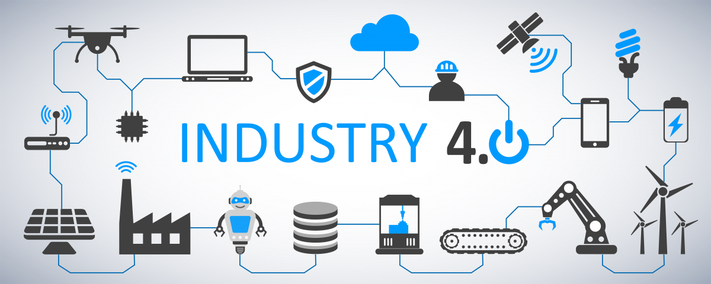
End point in Industry 4.0 is the circumferential point in Industry 5.0
Mar, 2020
Radha Krishna, Prisedent, Detroit Engineered Products (DEP), mentions in his intercation with Anvita Pillai, in this interview , delves on-compressing the product development cycle, contributions in EV/HEV domain , Industry 5.0 and more. Excerpts….
Frugal engineering principles have been used to ensure that an electric scooter can be developed at the same price as a conventional one, while delivering an optimal performance in the shortest possible time
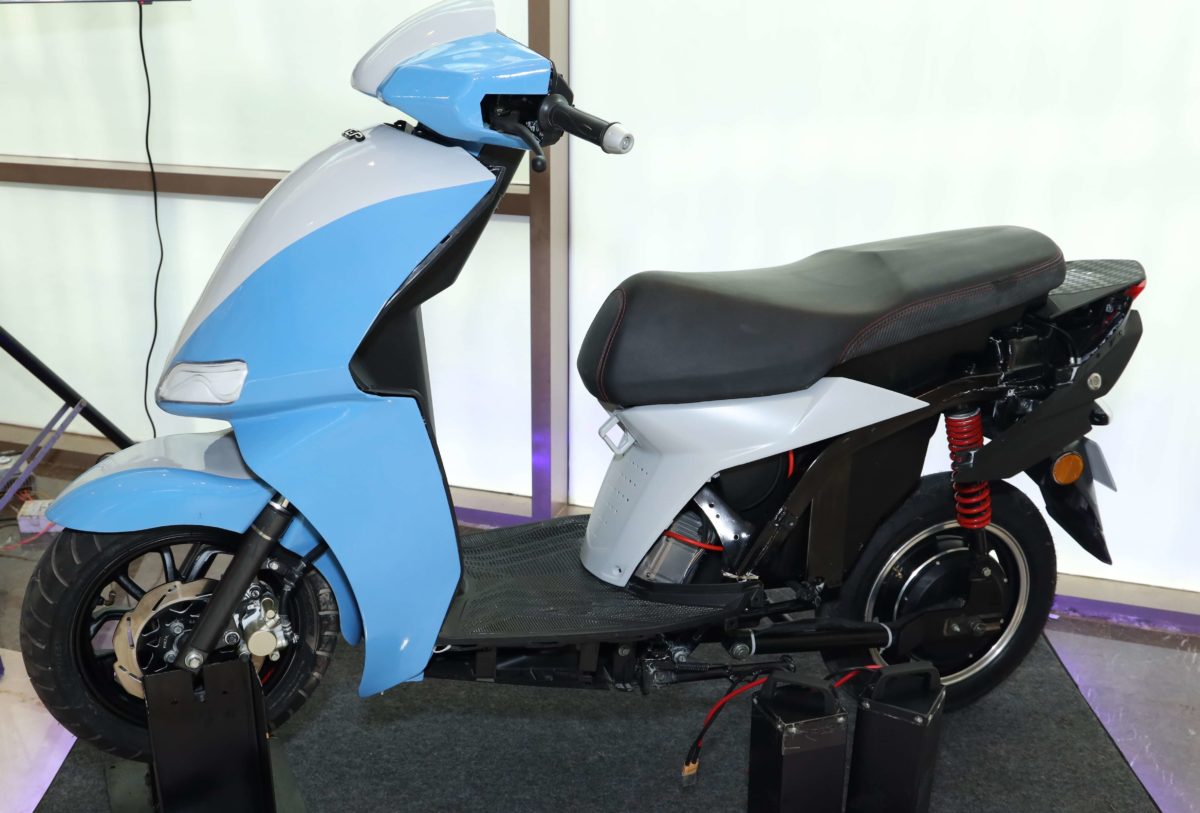
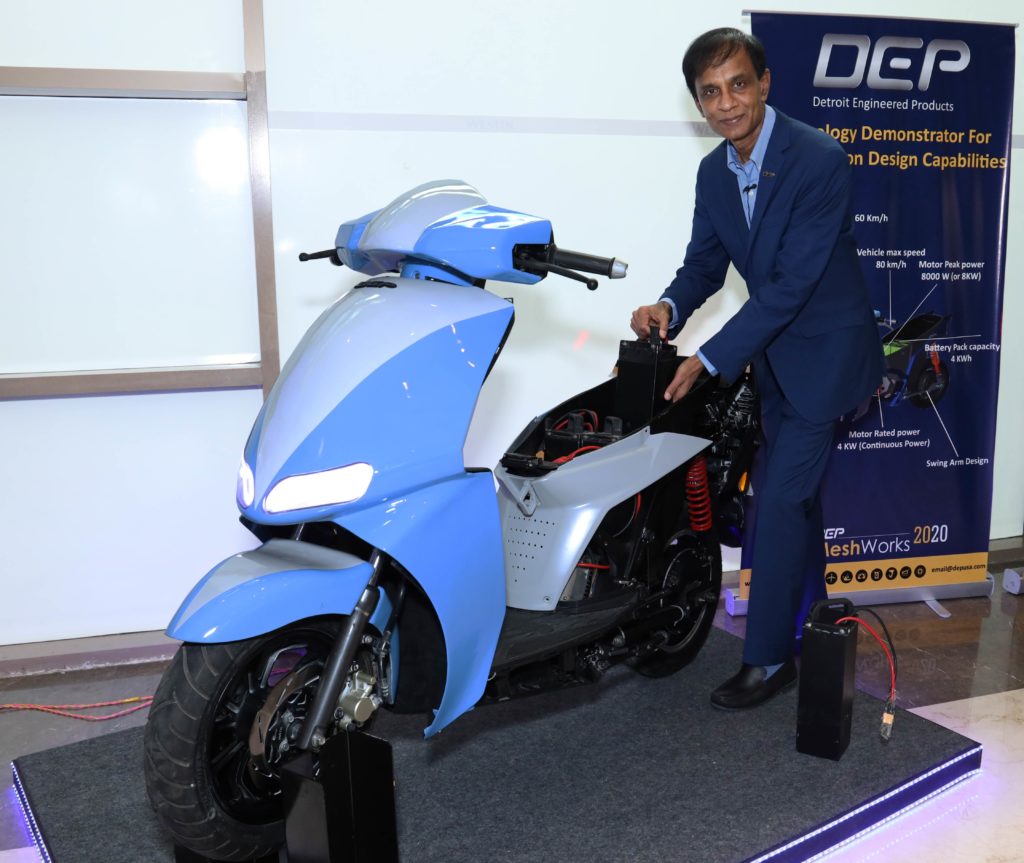
DEP has released an exclusive preview of their technology prototype of an electric scooter, developed by DEP’s Design Development team, which displays their technological capabilities for the electric scooter market.
DEP’s design team has used an existing conventional vehicle, retrofitted with an electric powertrain. The exterior body panels have been restyled for aerodynamic performance, and has been given a styling and engineered design which is optimized to give the lowest drag.
The electric scooter brags of several innovative features such as-
Removable batteries, which eliminates the key issue of having a electric point for battery charging readily available
Extended range, of 150 kms, which addresses the problem that many e-scooters face of limited range
A next-generation user friendly dashboard where the rear view cameras and proximity sensor is integrated within the dashboard itself
Improved Lithium-ion battery pack capacity of 4 KWh
Vehicle speed from 0 to 60 Km/h in 7 seconds, with a Vehicle max speed of 80 km/h
Speaking on the occasion Radha Krishnan, President, DEP said, “The EV/HEV initiatives are facing lots of design challenges because of increasing dependency on electrical components and overall complexity, coupled with short design cycles. DEP’s product development team is equipped with capabilities to address these issues, and by using frugal engineering principals can ensure that innovative and exciting technology can be made available to the users at affordable prices. This is an exciting time for DEP as we look forward to showcase our capabilities at the Auto Show this year”
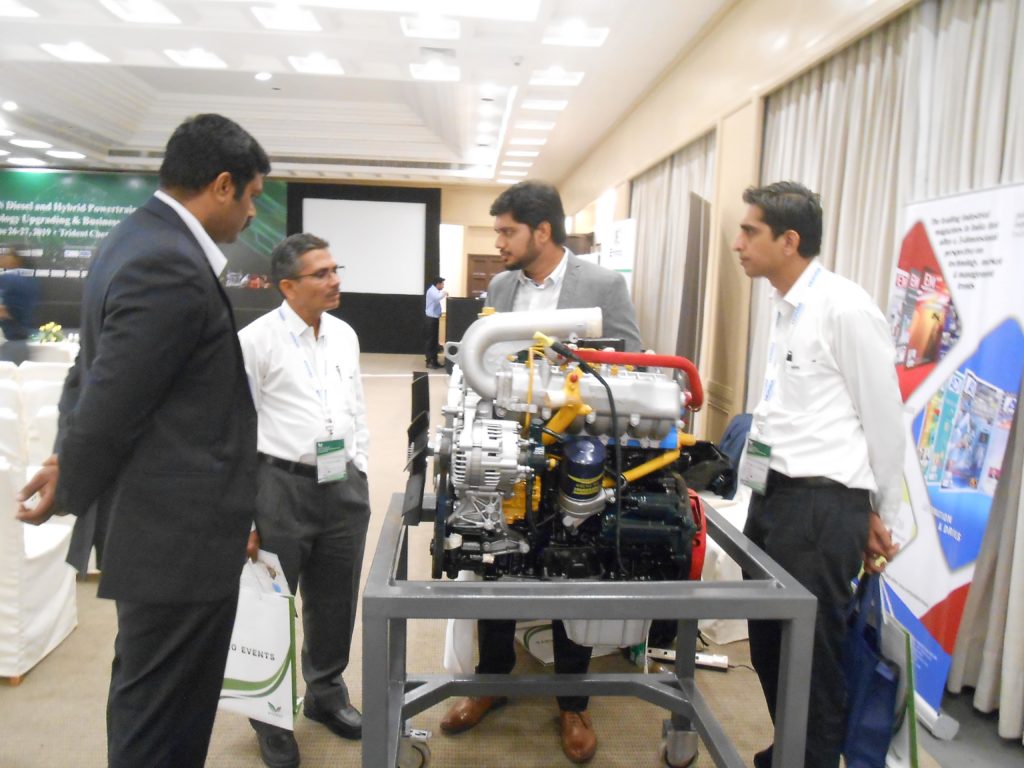
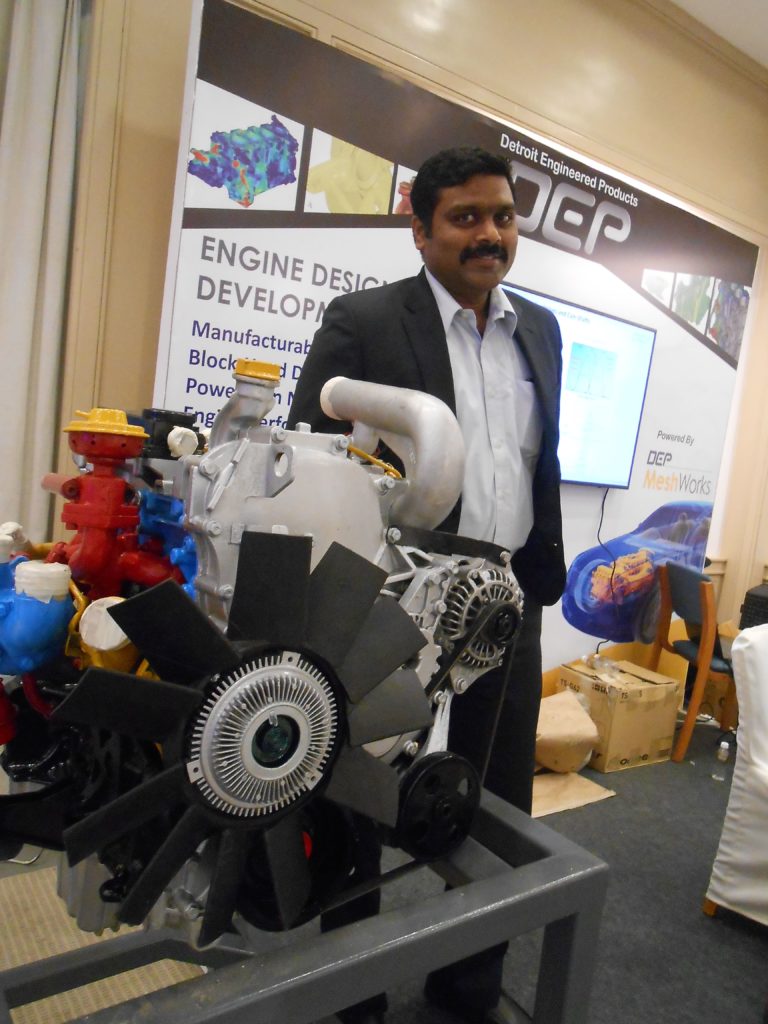
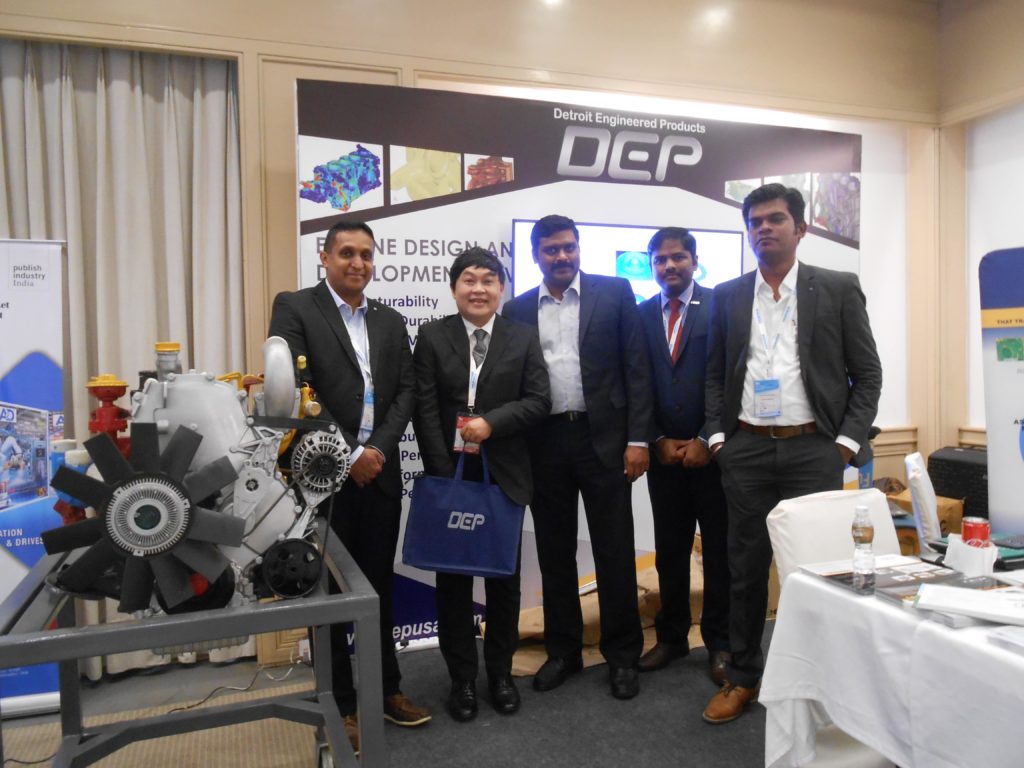
The scooter was a part of DEP’s Product Development (PD) team’s display, along with other innovative products such as a drone and high efficiency engine. The products were on display as a part of their launch of the latest version of DEP’s flagship CAE software product, DEP MeshWorks.
The final electric scooter technology demonstrator has undergone extensive on-road testing, and will be displayed in the upcoming Auto Show India in February.
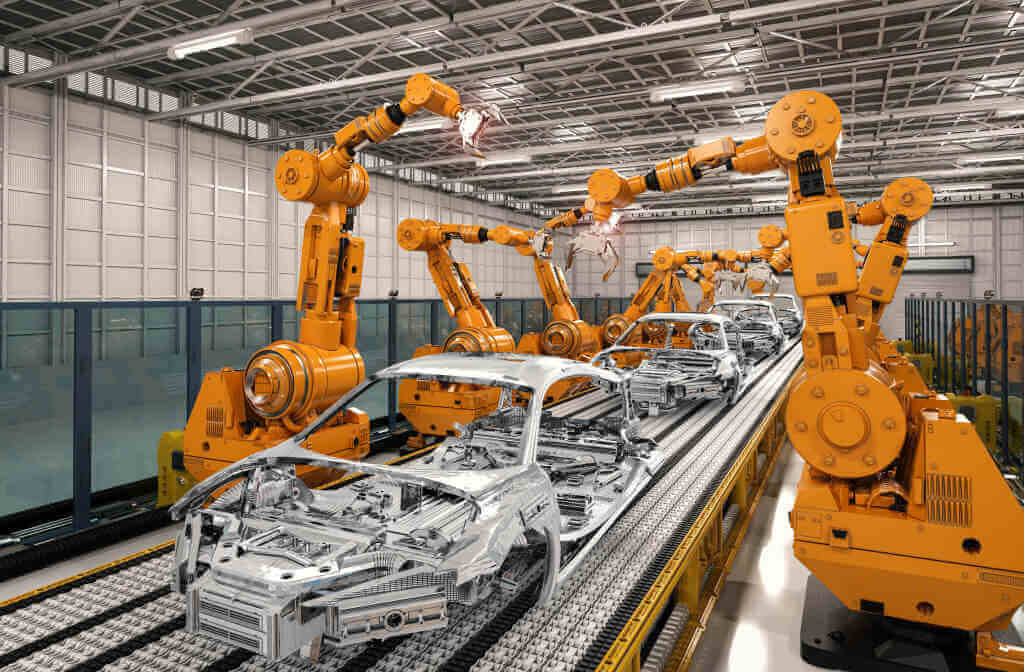
Automation has made our workstations simpler and convenient, as well as added more precision to it. The impact of automation is no more a mystery now. Technology has already become a significant part of our lives. We have incepted in an era which is exciting and innovative and is engulfed with futuristic technologies making everything possible at our fingertips.
Karthik Sankaran, Chief Information officer, DEP talks about the impact of automation in technology today, published in The Machinist, December 2019 issue.
He discusses about the future in Enhanced customer experience, Improved Operational Efficiency, Better Accuracy and New age marketing, as well as on the role automation plays in CAE, as it reduces the gestation time between product design & market.
The fast-paced world of vehicle development needs as much assistance as possible to further enhance the design and development phase, so as to be able to bring newer models to the market faster. Such R&D can be further strengthened with software tools that can assist in the entire life cycle management of products. Detroit Engineering Products (DEP) predominantly offers such solutions to the automotive industry among others. DEP offers three main levels of support – software solution that transforms product development, engineering consulting that provide tools, techniques & methods for development and engineering manpower at client locations for customized development of their products.
Engineering simulation software already play major role in product design and development and it’s going to be no different. Developers of such software have already taken note of how industry 5.0 is shaping up and how it could help bring best of computing world and human participation. Simulation software developers having implemented Digital Twin, VR/AR, ROM’s and automation as part of Industry 4.0 enablers are now looking at engineering process automation in new dimension considering benefit of human intelligence as part of it.
In today’s highly competitive market, each company is trying to get their products to market, better than the previous version, and faster than their competitor. The mandate of fast to market would continue to be relevant not just for manufacturing, but also for design and engineering. This calls for transformation to product development process, from the traditional method, towards a more virtual process. The virtual product development process involves simulation driven engineering, and a model based systems engineering approach. In the age of smart manufacturing, where mass customisation also plays a significant role, time is of the essence. The scope for physical prototypes based product validation from design and engineering stand point would result in a highly condensed timeframe, which would enable products to get a market faster. Design, virtually validates the product performance and then manufacturing would be ideal work flow considering the data and simulation driven approach in the age of “smart manufacturing”.
Even as all-electric futures capture the headlines in the automotive world, the internal combustion engine will continue to stake its claim as a bedrock of lightweight and medium-duty mobility. OEMs will continue to deliver improvements to the ICE to reduce emissions and increase fuel economy well into the 2030s. The SAE High-Efficiency IC Engine Symposium (HEICE) returns in 2019. As an ideal complement to WCX World Congress Experience, HEICE will be held just prior to WCX in Detroit on April 7-8, 2019.
HEICE 2019 will feature a robust program and speaker set across a number of topics with special emphasis on combustion engine system modeling and predictive simulation. As an attendee of HEICE, visitors will take part in peer discussion, learning, and networking about:
Impact of real-world emission standards and costs
Light-duty engine design, enabled by hybrids
Waste heat recovery on heavy-duty engines
Advanced control systems
Alternative energy
Lower-temperature combustion
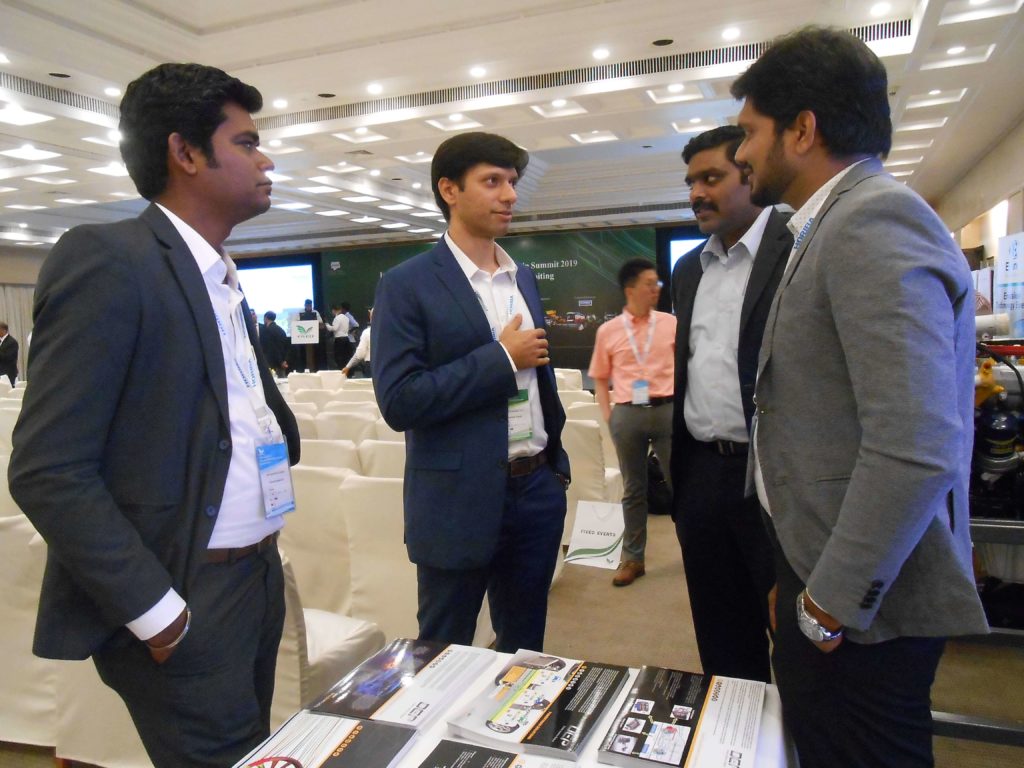
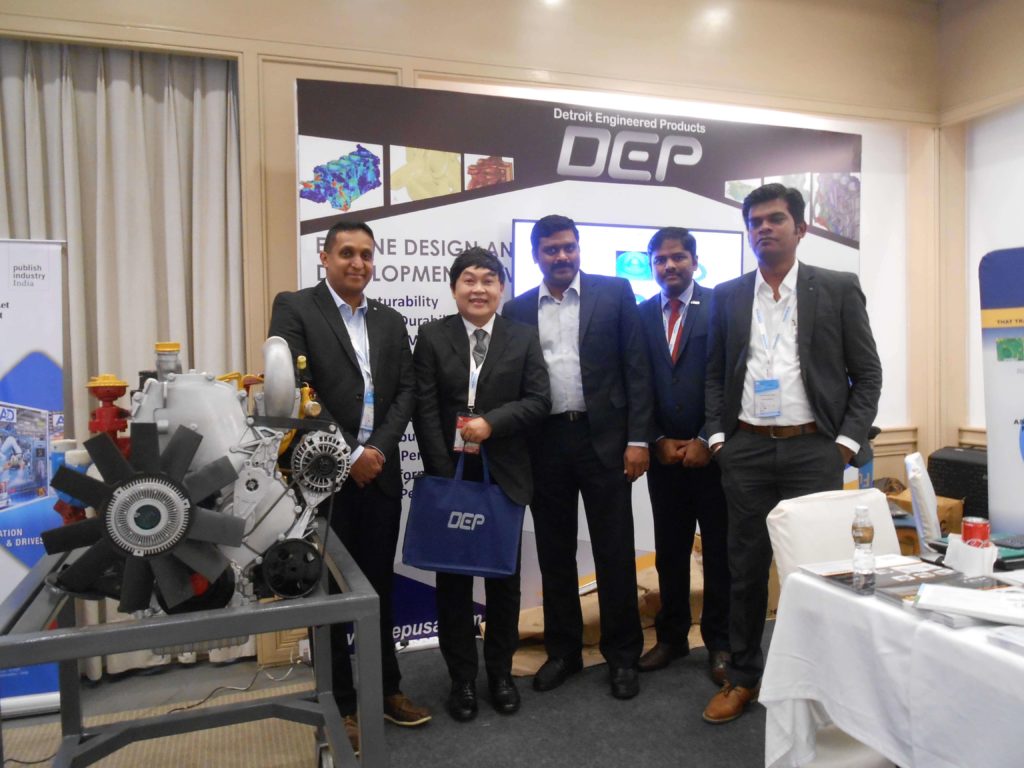
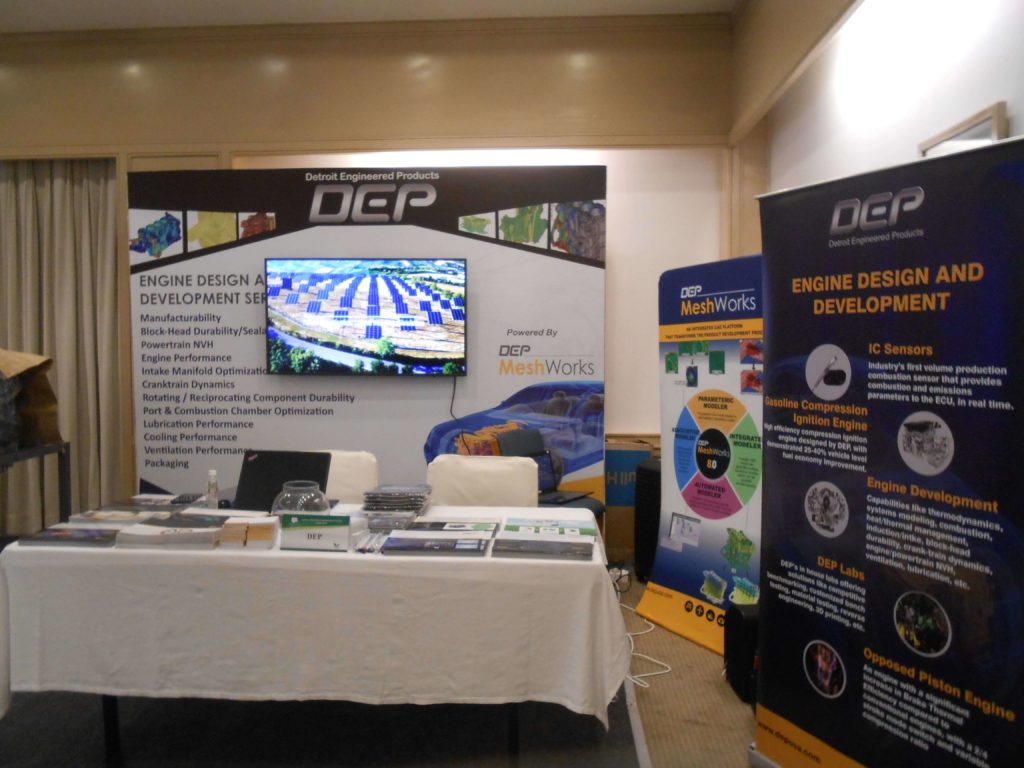
Witness DEP’s Latest High Efficiency IC Engine Capabilities Demonstrated at Booth No:6
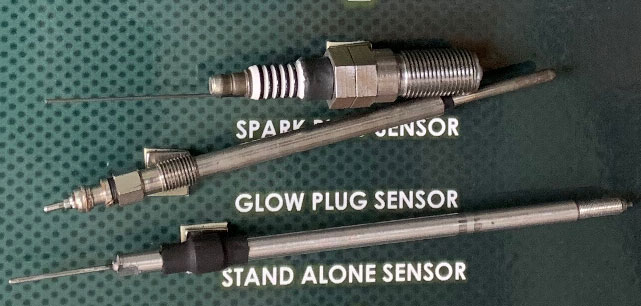
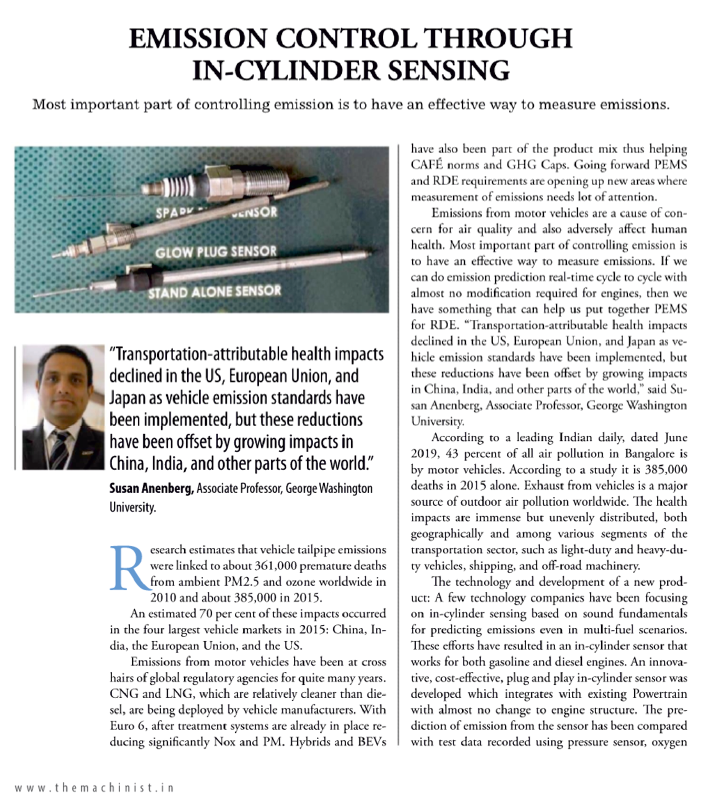
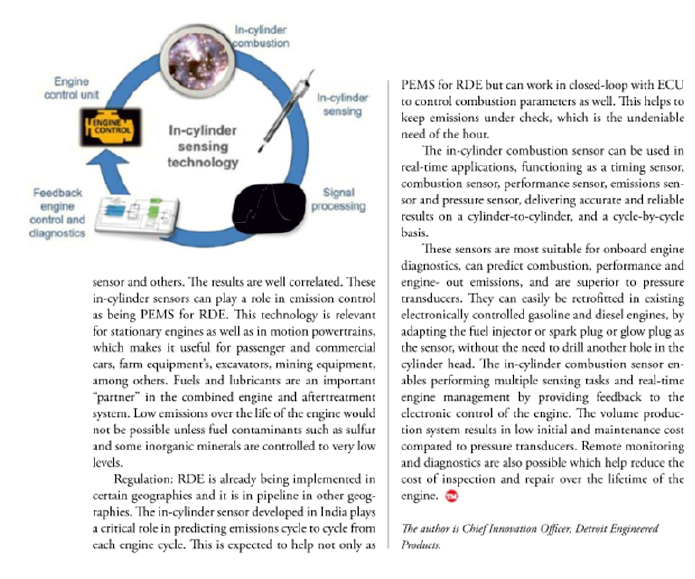
Our Chief Innovation Officer, Karthik Shankaran, during his interview to “The Machinist” magazine, gives a whole new perspective for the In-Cylinder combustion sensor that performs multiple tasks and real-time engine management by providing feedback to the electronic control of the engine.
Here is the gist of the Interview:
Emissions from motor vehicles are a cause of concern for air quality and also adversely affect human health. Most important part of controlling emission is to have an effective way to measure emissions. If we can do emission prediction real-time cycle to cycle with almost no modifications required for engines, then we have something that can help us put together PEMS for RDE. In-cylinder sensor, which integrates with existing powertrain is an innovative, cost-effective option that technology companies are working on.
The in-cylinder combustion sensor can be used in real-time applications, functioning as a timing sensor, combustion sensor, performance sensor, emission sensor and pressure sensor, delivering accurate and reliable results on a cylinder-to-cylinder, and a cycle-by-cycle basis.
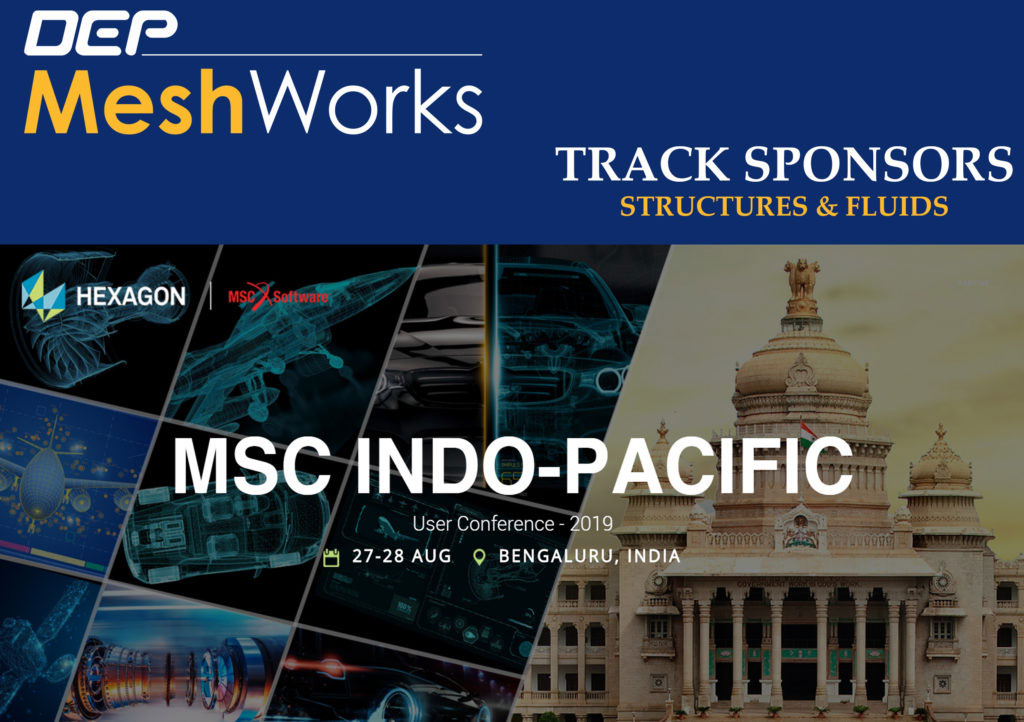
The MSC Conference events are among the largest flagship CAE events in the Indo-Pacific region, that attract esteemed Executives, Business & Engineering Managers, CAE Industry Experts, Product Designers, Academicians & Partners from a wide spectrum of industries. Over the last decade, MSC User conference events have focused on pertinent themes such as ‘Materials to Systems’ in 2017 & ‘Simulating Reality’ in 2018. This year, the conference will revolve around the topic ‘Real to Real Time’.
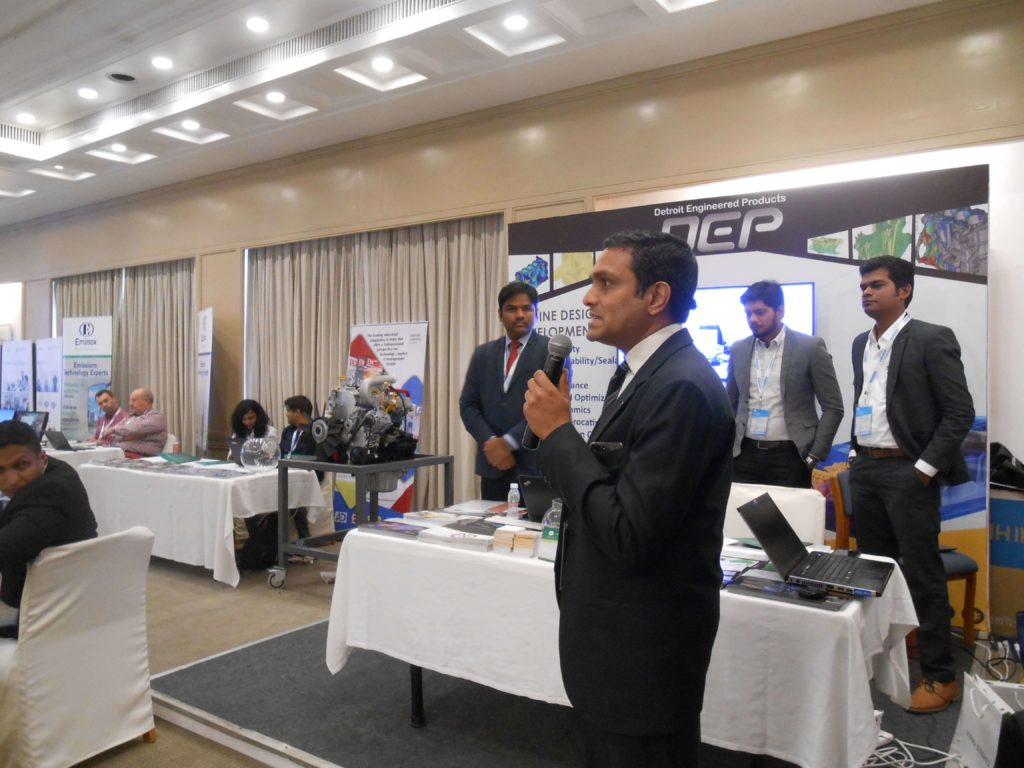
DEP is a Trach sponsor for Structures & Fluids Session in Bangalore event. Our Vice-President Mr.Vidya Shankar is speaking at the Track 1 for the Structures & Fluids.